
- Studies show no convincing evidence that mobile phone radiation is harmful to humans or causes brain cancer.
- Radio frequencies from phones are non-ionizing and weaker than both kitchen microwaves and direct sunlight.
- Minimize radiation exposure by disabling unnecessary wireless connections like Wi-Fi, Bluetooth, and mobile data.
- Maintain distance from your device by using headsets, loudspeakers, and storing it outside your pockets.
- Verify your smartphone's Specific Absorption Rate by dialing *#07#, ensuring it stays below 1.6 W/kg.

Frequently asked questions
Current studies have not convincingly proven that mobile phone radiation is harmful or causes brain cancer. Phones emit radio frequencies that are not powerful enough to cause human damage.
Mobile phone radiation is completely different from the dangerous ionizing radiation found in direct sunlight. The radio frequencies emitted by smartphones are significantly less powerful and do not cause similar damage.
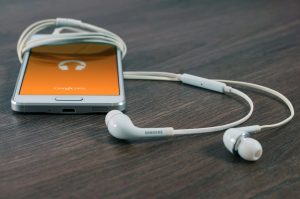
You can use a wired or wireless Bluetooth headset instead of holding the phone directly to your head. Alternatively, use the loudspeaker or keep the device at least five centimeters away from your ear.
Avoid keeping your mobile phone on your bed or underneath your pillow while you sleep. Instead, place it on a bedside table or switch it to airplane mode if it remains on the bed.
You can check your smartphone's Specific Absorption Rate (SAR) by dialing *#07# on the device's number pad. In India, the maximum allowed SAR value is currently 1.6 watts per kilogram.